

Managing an inguinal hernia with a support belt requires balancing effective compression with daily comfort and discretion. Many people struggle with bulkiness, visible lines, and skin irritation when layering clothes over their hernia belt. This guide provides practical strategies to layer clothing effectively, helping you achieve comfortable support while maintaining a natural appearance throughout your day.
Table of Contents
- Understanding Your Hernia Belt And Layering Basics
- Preparing For Layering: Choosing The Right Base Garments
- Step-By-Step Guide: Layering Clothing Over Your Hernia Belt
- Checking Fit And Troubleshooting Common Layering Issues
- Explore Comfortable Hernia Support Briefs At Pesky Hernia
- Frequently Asked Questions
Key takeaways
| Point | Details |
|---|---|
| Layering reduces friction | Effective layering reduces peak pressure by up to 40% over hernia belts, minimizing skin irritation. |
| Base layer selection matters | Choose breathable, soft fabrics like cotton or moisture-wicking synthetics for skin protection and comfort. |
| Correct belt fit first | Ensure your hernia belt applies proper pressure and stays positioned before adding clothing layers. |
| Avoid tight outerwear | Loose-fitting outer layers maintain belt function and prevent circulation issues or excess pressure. |
| Test fit through movement | Cough, sit, and move to verify the hernia remains reduced and the belt stays in place after layering. |
Understanding your hernia belt and layering basics
Before layering clothing, you need to understand how your hernia belt works and why proper layering matters. The belt’s primary function applies direct, external pressure to the site where abdominal contents protrude through the muscle wall, keeping the hernia reduced. This targeted compression provides support during daily activities and prevents the hernia from enlarging.
Correct belt fit balances firm pad placement without constriction. The pad must sit directly over the hernia site, held by straps snug enough to maintain position but not so tight they restrict breathing or circulation. Without proper fit, even the best layering techniques won’t deliver comfortable support.
Layering serves a mechanical purpose beyond appearance. Studies show effective layering reduces peak pressure by up to 40%, creating a smooth interface between your belt and outer clothing. This pressure distribution minimizes friction points that cause skin irritation during movement.
Key layering benefits include:
- Protecting skin from direct belt contact and rubbing
- Distributing pressure evenly across the support area
- Creating a smoother appearance under clothing
- Managing moisture and temperature regulation
- Reducing visible belt lines through outer garments
Pro Tip: Wear a comfortable base layer between your skin and the belt to prevent chafing. Look for seamless designs that won’t create additional pressure points, like the umbilical hernia truss which features smooth construction for layering.
Preparing for layering: choosing the right base garments
Your base layer creates the foundation for successful clothing layering over a hernia belt. This garment sits closest to your skin and directly impacts comfort throughout the day. Base layers should be breathable and soft to prevent irritation, especially where the belt applies pressure.
Material selection depends on your skin sensitivity and activity level. Debate exists regarding optimal material for base layers, with some advocating for natural fibers like cotton while others prefer synthetic materials for moisture-wicking properties. Cotton works well for sensitive skin and everyday wear, while synthetics excel during physical activity by pulling sweat away from skin.
Fit matters as much as fabric. Base garments should be snug but not tight, avoiding constriction over the belt area. Bulky fabrics add unnecessary pressure and create visible lines under outer clothing. Choose thin, stretchy materials that move with your body.

| Fabric Type | Best For | Key Benefit | Consideration |
|---|---|---|---|
| Cotton | Sensitive skin, daily wear | Natural breathability, soft texture | Retains moisture when wet |
| Merino wool | Temperature regulation | Moisture-wicking, odor resistant | Higher cost, requires gentle care |
| Synthetic blends | Active lifestyle, sports | Superior moisture management | May irritate very sensitive skin |
| Bamboo | Eco-conscious, comfort | Naturally antimicrobial, soft | Less durable than synthetics |
Breathe-ability aids temperature regulation and prevents moisture buildup that can cause skin problems. Trapped heat and sweat under a hernia belt create ideal conditions for irritation and discomfort. Select fabrics designed to allow air circulation.
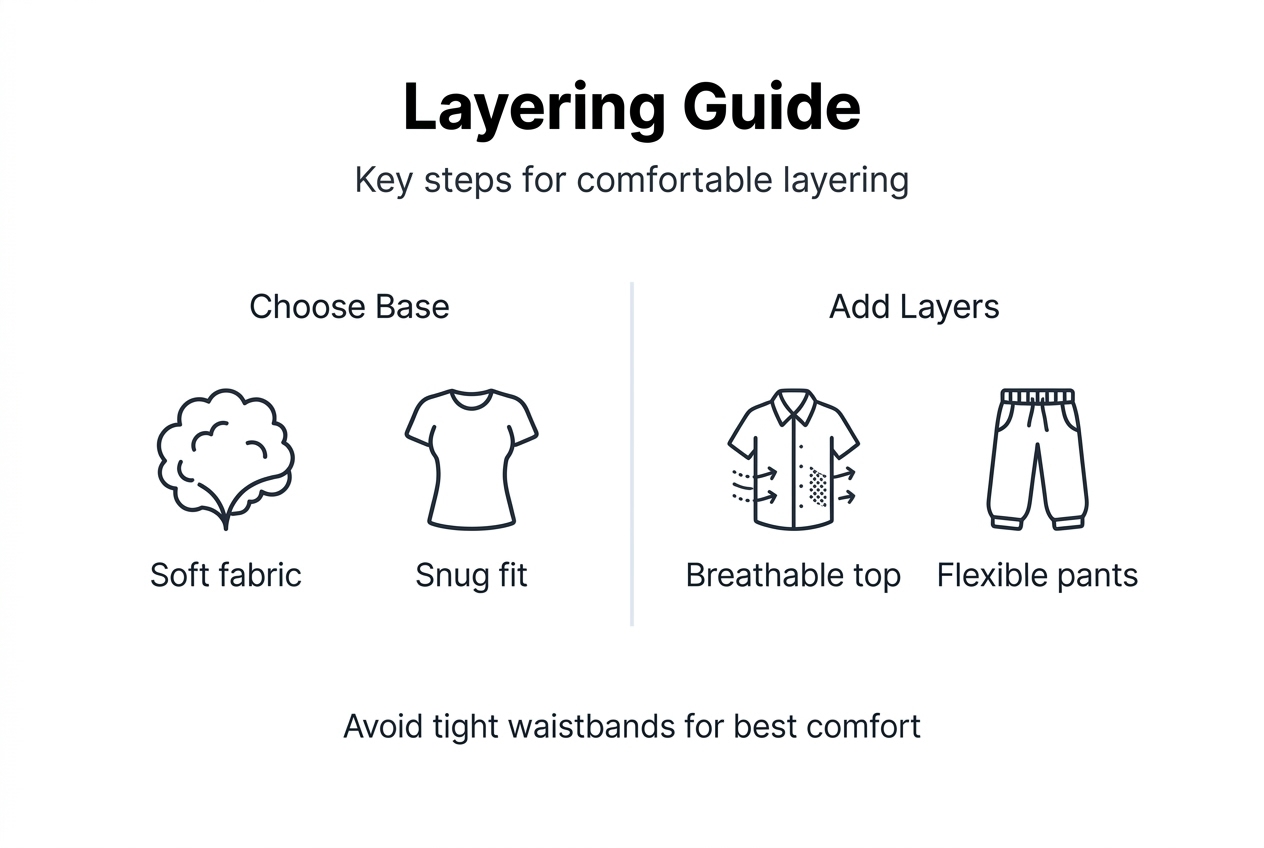
Pro Tip: Test new base layers at home before committing to full-day wear. Move around, sit, and perform typical activities to identify any friction points or discomfort. Products like inguinal hernia support comfort briefs integrate support directly into underwear, eliminating the need for separate belt layering.
Step-by-step guide: layering clothing over your hernia belt
Proper layering follows a specific sequence that ensures both support effectiveness and comfort. Rushing through these steps or skipping any can compromise your hernia management throughout the day.
-
Confirm hernia reduction before putting on your belt. Lie down if needed to allow gravity to help the hernia contents return to the abdominal cavity. Never force the hernia back or apply the belt while the bulge is visible.
-
Apply the hernia belt correctly following manufacturer guidelines. Position the pad directly over the hernia site, then secure the main strap snugly around your torso. Correct application is important for the device’s effectiveness and wearer comfort. The strap should hold pads firmly without feeling constrictive.
-
Secure the under-leg strap if your belt includes one. This strap maintains correct pad placement, preventing the entire belt from riding up when you stand or sit. Adjust tension so it holds position without cutting into your leg.
-
Add your base layer over the belt, pulling it on gently to avoid displacing the pad. Smooth out any wrinkles or bunching that could create pressure points. The base layer should glide over the belt without resistance.
-
Put on loose-fitting outer clothing that doesn’t compress the belt area. Avoid tight waistbands that sit directly over the belt, as these can interfere with pad placement and reduce support effectiveness. Choose pants or skirts with slightly higher or lower waistbands.
-
Check for bunching or displacement by standing, sitting, and moving naturally. Adjust both belt straps and clothing layers if anything shifts position. The pad must remain centered over the hernia site during all movements.
Pro Tip: Choose outer garments with stretch or elastic waistbands positioned away from the belt area. Options like inguinal hernia support sport briefs provide integrated support, simplifying the layering process by combining belt and base layer functions.
Checking fit and troubleshooting common layering issues
After layering, verification ensures your setup will perform correctly throughout the day. Testing before leaving home prevents discomfort and potential hernia complications during activities.
The primary fit test involves coughing or gently straining. This test should not result in the hernia bulging outward past the pad. If you feel or see a bulge during this test, remove layers and reapply the belt with proper pad positioning and strap tension.
Common issues arise from improper clothing selection or layering order:
- Belt rides up during movement: Usually caused by inadequate under-leg strap tension or outer clothing pulling the belt upward. Tighten the perineal strap and choose pants that don’t grip the belt area.
- Visible belt lines through clothing: Results from tight outer layers or bulky belt designs. Add a smoother base layer and select looser outer garments with heavier fabrics that drape rather than cling.
- Skin irritation or chafing: Occurs when rough fabrics contact skin or too many layers create excessive pressure. Switch to softer base materials and reduce layer count.
- Reduced circulation or numbness: Indicates overly tight straps or constrictive clothing. Loosen belt straps slightly and replace tight outer garments with roomier options.
- Discomfort when sitting: Often from bunched fabric or incorrect belt position. Stand and smooth all layers, ensuring the pad stays centered when you sit back down.
| Issue | Likely Cause | Solution |
|---|---|---|
| Belt shifts up | Loose under-leg strap | Adjust strap tension, check clothing fit |
| Skin redness | Direct belt contact | Add soft base layer, check fabric texture |
| Visible bulge | Pad displacement | Reapply belt, verify hernia reduction |
| Breathing difficulty | Overly tight main strap | Loosen strap, ensure snug not constrictive fit |
Material choice significantly impacts comfort. Research shows 85% preferred elastic models over spring ones for reduced skin irritation. Modern elastic supports with breathable fabrics minimize friction when layered properly.
“The transition from rigid to elastic hernia supports has dramatically improved patient comfort and compliance. Proper layering techniques further enhance these benefits by creating a protective barrier that reduces direct pressure and friction.”
Pro Tip: Keep a small mirror handy to check your profile from all angles after dressing. This helps identify visible lines or bunching you might miss from a front view. Products like inguinal hernia support comfort briefs with open type offer integrated support with less bulk, making layering more forgiving.
Explore comfortable hernia support briefs at Pesky Hernia
Finding the right support garment simplifies the layering process and enhances daily comfort. Pesky Hernia specializes in handcrafted hernia support solutions designed specifically for effective management and comfortable wear.
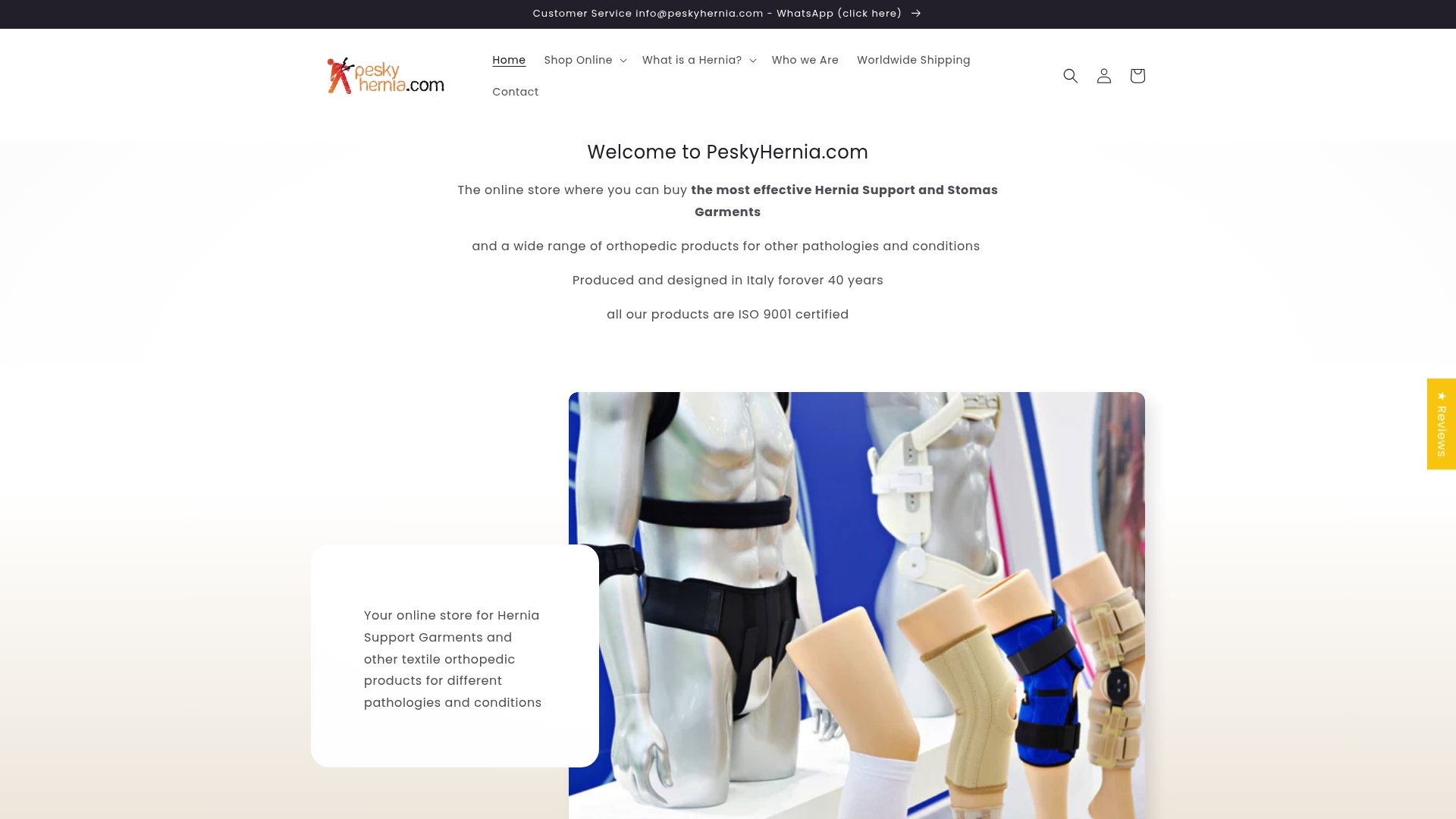
Our collection includes options tailored to different needs and preferences. Support briefs for women provide discreet, feminine designs with integrated support, eliminating separate belt layering. For active lifestyles, sport briefs offer secure compression during movement. Those seeking maximum everyday comfort benefit from comfort brief pants featuring premium Italian materials and breathable construction. Each product combines medical functionality with practical design, helping you implement the layering techniques discussed while enjoying superior support.
Frequently asked questions
Can you wear any type of clothing over a hernia belt?
You should choose breathable, slightly loose clothing that doesn’t compress the belt area. Avoid tight waistbands or belts positioned directly over the hernia support, as these interfere with pad placement and reduce effectiveness. Layering with breathable fabrics like cotton or moisture-wicking synthetics minimizes skin irritation while maintaining proper support function.
How tight should clothes be when worn over a hernia belt?
Clothes should be snug enough to stay in place but never constrictive. The main strap should be snug enough to hold pads firmly but not feel constrictive around the torso. Outer garments should drape naturally without gripping the belt area, allowing full movement and proper circulation. Slightly loose, breathable fabrics provide the best balance of support and comfort.
Can layering clothing over hernia belts cause skin irritation?
Skin irritation risk decreases with proper layering techniques using breathable materials. Studies indicate 85% preferred elastic models over spring ones for reduced skin irritation. Using soft base layers between skin and belt, avoiding rough fabrics, and selecting appropriately loose outer clothing minimizes friction and pressure points that cause discomfort.
What should I do if my hernia belt shifts when layering clothes?
Ensure the under-leg strap is properly positioned and secured to prevent riding up when you stand or sit. Adjust clothing layers to eliminate bunching that might pull the belt out of position. If shifting persists despite proper strap adjustment and appropriate clothing choices, consult your doctor about refitting or trying a different belt style that better suits your body shape and activity level.
Recommended
- Umbilical Hernia Truss Belt (Adult) Art.357 ORIONE® – Pesky Hernia - Orthopaedic Products
- Pair of thicker pads for slip Inguinal Hernia Orione Ref.540 Ref.590 – Pesky Hernia - Orthopaedic Products
- POST-SURGERY INGUINAL HERNIA BRIEF - PANT Orione Ref.304 – Pesky Hernia - Orthopaedic Products
- INGUINAL HERNIA SUPPORT DISCRETE BRIEF - PANT Orione Ref.560 – Pesky Hernia - Orthopaedic Products