

Inguinal hernias affect 27% of men and 3% of women during their lifetime, creating a widespread need for comfortable, breathable support garments. Many adults living with hernias or ostomies struggle to find garments that balance effective compression with genuine breathability, leading to skin irritation and reduced wearability. This guide explains how to choose breathable materials that enhance comfort, improve skin health, and provide reliable daily support for managing your condition discreetly.
Table of Contents
- Understanding Hernia Support: Why Material Matters
- Types of Breathable Materials Used In Hernia Support Garments
- Balancing Compression And Breathability For Optimal Support
- Choosing The Right Breathable Hernia Support Garment For Your Needs
- Explore Breathable Hernia Support Garments From Pesky Hernia
- Frequently Asked Questions
Key takeaways
| Point | Details |
|---|---|
| High hernia prevalence demands quality support | Millions need breathable garments to manage hernias and ostomies comfortably every day. |
| Breathable fabrics reduce irritation | Proper materials cut skin moisture by 30-40% and prevent chafing during extended wear. |
| Compression must balance with airflow | High-compression fabrics work therapeutically only when they maintain breathability for skin health. |
| Material choice affects durability | Nylon/spandex blends and specialized polyester maintain support after repeated washing and daily use. |
| Personal factors guide selection | Activity level, climate, skin sensitivity, and hernia type determine the ideal breathable garment. |
Understanding hernia support: why material matters
Hernia support garments apply therapeutic pressure to stabilize the affected area, protect the hernia from enlargement, and reduce discomfort during movement. These specialized garments work by maintaining consistent compression that supports weakened abdominal tissue without restricting normal activities.
Non-breathable materials trap moisture against your skin, creating an environment for bacterial growth, rashes, and persistent irritation. After hours of wear, synthetic fabrics without proper ventilation can increase skin temperature by several degrees, causing discomfort that forces you to remove the garment when you need it most.
Breathable materials reduce skin irritation and improve patient comfort compared to traditional alternatives. Studies show properly ventilated fabrics can decrease skin moisture by 30-40%, dramatically improving wearability during extended use.
Key fabric features that enhance breathability include:
- Moisture wicking fibers that pull sweat away from skin
- Open-knit construction allowing continuous airflow
- Soft textures minimizing friction and chafing
- Quick-drying properties preventing dampness buildup
Research demonstrates that breathable support garments significantly outperform traditional non-breathable options in reducing skin complications and improving daily comfort for hernia patients.
Real patient outcomes show that switching to breathable materials increases garment wear time by hours each day. People report feeling confident enough to maintain active lifestyles without constant awareness of their support garment. The difference becomes especially noticeable during warm weather, physical activity, or long workdays when traditional garments would become unbearable. Investing in hernia support comfort briefs made from breathable fabrics transforms daily management from a burden into a seamless part of your routine.
Types of breathable materials used in hernia support garments
Warp-knit constructions like powernet and power mesh dominate modern hernia support design because they deliver controlled compression while maintaining excellent airflow. These specialized fabrics feature an open-knit structure that creates tiny ventilation channels throughout the material, allowing heat and moisture to escape while maintaining therapeutic pressure.
Nylon and polyester blends balance breathability, support, and durability in medical compression garments. Nylon typically outperforms polyester in comfort applications because of its smoother texture and superior moisture management, making it the preferred choice for all-day wear against sensitive skin.
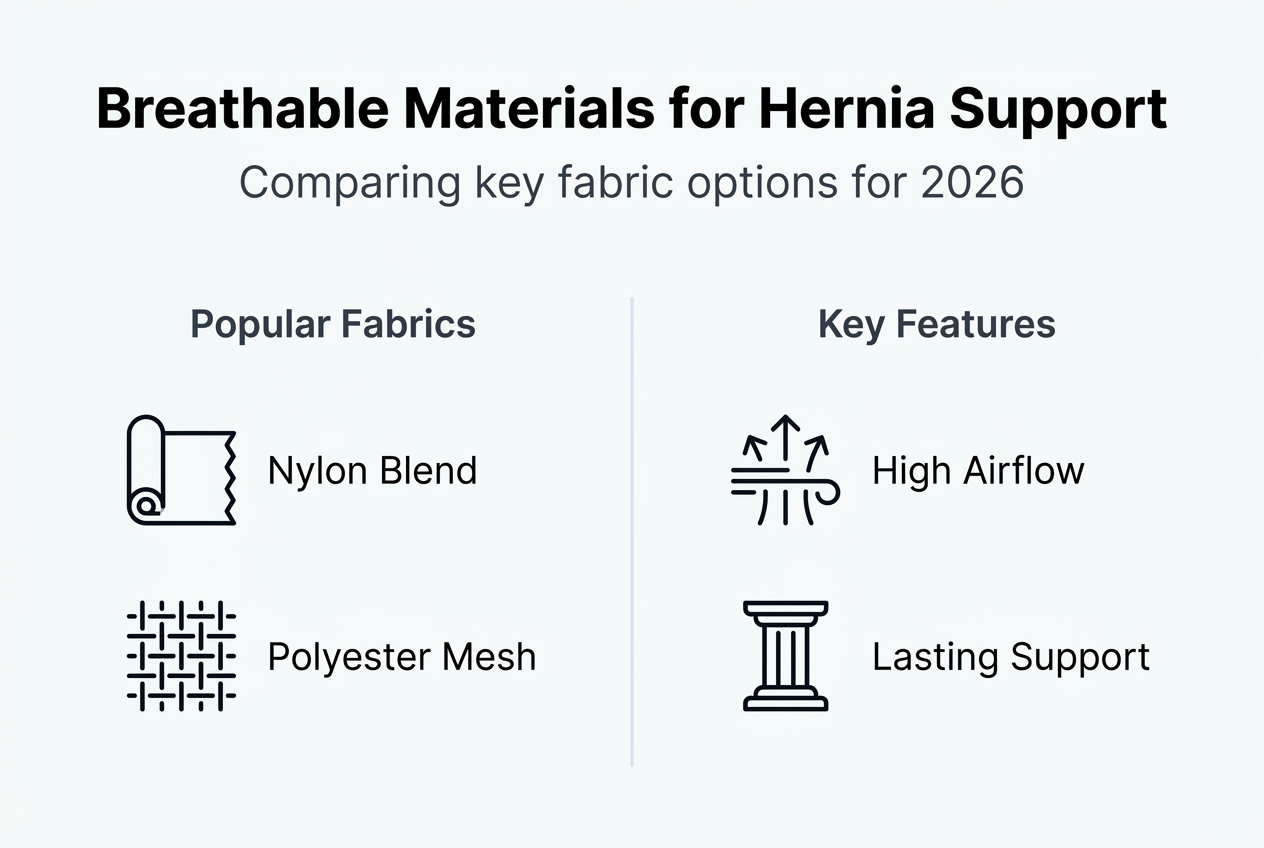
High-compression spandex blends, particularly 80/20 nylon/spandex formulations, provide remarkable four-way stretch and deliver approximately 25 mmHg of therapeutic pressure. These advanced materials maintain 92% shape recovery after stretching, ensuring your garment continues providing consistent support even after months of daily wear and washing.
| Fabric Type | Breathability | Compression Level | Durability | Typical Use |
|---|---|---|---|---|
| Powernet mesh | Excellent | Medium | High | Daily wear, warm climates |
| Nylon/spandex blend | Very good | Medium to high | Very high | All-day support, active use |
| Polyester/spandex | Good | High | High | Targeted compression zones |
| Cotton blend | Moderate | Low to medium | Moderate | Light support, sensitive skin |
Pro Tip: When selecting compression levels, remember that excessive tightness actually reduces breathability by compressing the fabric’s ventilation channels, so choose the minimum compression that provides adequate support for your needs.
These materials maintain their structural integrity through repeated laundering cycles, with quality nylon blends showing less than 5% compression loss after 50 wash cycles. This durability means your investment in breathable lumbosacral supports continues delivering therapeutic value for months or years rather than weeks.
Balancing compression and breathability for optimal support
Compression plays a vital therapeutic role in hernia management by applying graduated pressure that supports weakened tissue, reduces swelling, and improves circulation to the affected area. The therapeutic benefits of compression are well established, but the amount of pressure must be carefully calibrated to your specific situation.
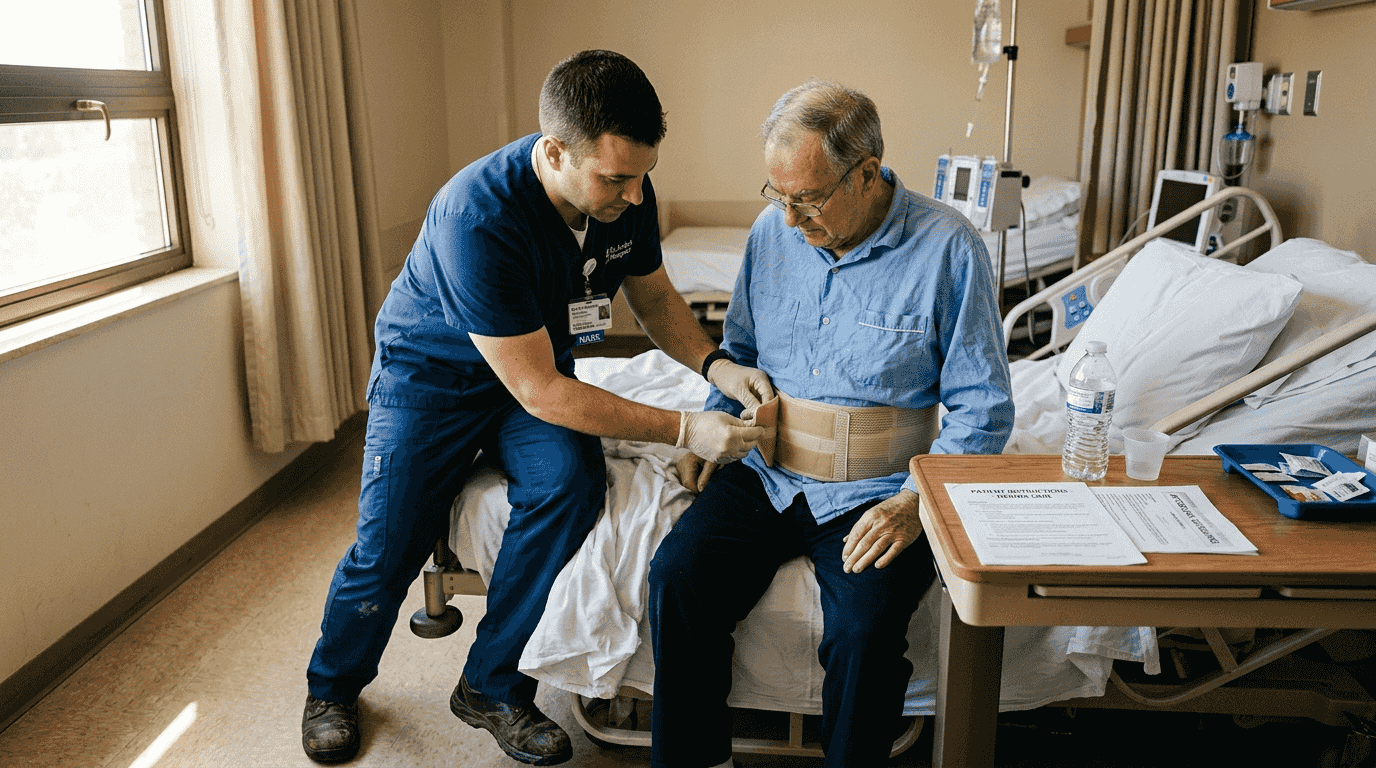
Excessive compression hinders breathability and causes discomfort rather than enhanced support. Too much pressure compresses blood vessels, restricts natural movement, and creates heat buildup that negates the benefits of breathable fabrics.
Factors influencing your ideal compression level:
- Activity intensity and duration throughout your day
- Skin sensitivity and history of irritation
- Local climate and seasonal temperature variations
- Hernia size, location, and symptom severity
- Whether you need support during exercise or primarily for daily activities
Indicators of properly balanced compression include sustained support without pressure points, absence of chafing or red marks after wear, skin remaining dry and cool, and the ability to wear the garment comfortably for your intended duration. If you experience any numbness, excessive sweating under the garment, or skin discoloration, your compression level is too high.
Pro Tip: Test compression balance by wearing your garment for two hours while performing typical activities, then remove it and check for red marks or indentations that persist longer than 10 minutes, which signals excessive pressure.
Breathable materials become especially critical when compression levels increase, as they offset the heat-trapping effects of firm pressure against your body. Quality post operative compression garments combine therapeutic compression with advanced ventilation to maintain skin health during the critical healing period when garments must be worn continuously.
Choosing the right breathable hernia support garment for your needs
Selecting the optimal garment requires assessing your lifestyle factors, including daily activity patterns, local climate conditions, skin sensitivity levels, and the specific characteristics of your hernia or ostomy. A garment perfect for desk work in an air-conditioned office will differ significantly from one needed for outdoor labor in summer heat.
Steps to select your ideal breathable support garment:
- Measure your waist, hips, and hernia location precisely using the manufacturer’s sizing guide for accuracy
- Identify your primary use case: all-day wear, exercise support, post-surgical recovery, or nighttime protection
- Evaluate your climate needs by considering both indoor and outdoor temperature exposures
- Try fabric samples if possible to assess comfort, or start with lighter compression and adjust upward
- Verify the garment’s washability and care requirements fit your lifestyle routine
- Consult your healthcare provider about compression levels appropriate for your hernia type
| Garment Feature | Everyday Wear | Active/Sport Use | Post-Surgical | Hot Climate |
|---|---|---|---|---|
| Compression level | Medium | Medium to high | High | Light to medium |
| Breathability priority | High | Very high | High | Critical |
| Moisture wicking | Important | Essential | Important | Essential |
| Fabric weight | Medium | Light | Medium | Very light |
| Durability need | High | Very high | Moderate | High |
Specialized options address specific needs effectively. Sport briefs feature reinforced panels and extra breathability for active users who need full mobility during exercise. Lighter-weight fabrics suit warmer climates where heat management becomes the primary comfort factor.
Consulting with your healthcare provider helps optimize garment selection based on your hernia’s clinical characteristics. They can recommend appropriate compression levels, identify any contraindications, and suggest features that complement your treatment plan. Quality sport briefs for active wearers combine medical effectiveness with athletic performance features for people who refuse to let hernias limit their active lifestyle.
Explore breathable hernia support garments from Pesky Hernia
Pesky Hernia offers an extensive range of breathable, comfortable support garments specifically designed for adults managing inguinal hernias and ostomies. Our handcrafted products combine Italian craftsmanship with advanced breathable fabrics that deliver therapeutic compression without sacrificing comfort. We provide options for every lifestyle, from inguinal hernia comfort briefs for everyday wear to sport briefs for active users who need maximum mobility during physical activities.
Browse our collection of products tailored to enhance your daily comfort and confidence. Our post-surgery hernia briefs feature gentle yet effective support for the critical recovery period. Every garment emphasizes discreet designs that help you maintain your lifestyle without irritation or self-consciousness. Our breathable materials keep you comfortable from morning until night, whether you’re working, exercising, or relaxing.
Frequently asked questions
What materials are best for breathable hernia support garments?
Nylon/spandex blends and specialized polyester fabrics offer the optimal combination of breathability and durability for hernia support. Warp-knit powernet materials provide controlled compression with excellent airflow, making them ideal for all-day wear.
How does breathable fabric improve comfort for hernia support?
Breathable fabrics reduce skin moisture and irritation by allowing continuous airflow between the garment and your skin. They keep your skin dry and cool during daily activities, preventing the bacterial growth and rashes that occur with non-breathable materials.
Can high compression garments still be breathable?
Yes, specialized nylon/spandex blends provide firm therapeutic compression while maintaining breathability through their open-knit construction. The proper balance prevents discomfort and skin issues that would otherwise force you to remove the garment. Quality post operative compression bras demonstrate this balance perfectly, delivering medical-grade support with exceptional ventilation.
How do I choose a breathable hernia support for my activity level?
Look for lighter, moisture-wicking garments if you maintain high activity levels throughout your day. Consider sport-specific briefs designed for active users who need extra mobility and enhanced breathability during exercise or physical labor.
Recommended
- Lumbosacral support with elastic and transpirant fabric Orione Ref.308 – Pesky Hernia - Orthopaedic Products
- INGUINAL HERNIA SUPPORT SPORT BRIEF - PANT Medium Height Orione Ref.31 – Pesky Hernia - Orthopaedic Products
- INGUINAL HERNIA SUPPORT DISCRETE BRIEF - PANT Orione Ref.560 – Pesky Hernia - Orthopaedic Products
- INGUINAL HERNIA SUPPORT COMFORT BRIEF - PANT OPEN TYPE Orione Ref.515 – Pesky Hernia - Orthopaedic Products